
dhruva
Dhruv is a teacher and practitioner of Indian traditions of philosophy and embodied praxis, including Yoga, Vedānta, Buddhism, Jainism, Classical Theatre, and Poetics. An avid reader and scholar of Sanskrit poetry, he is trained in the Krishnamacharya-Desikachar tradition of Yoga. He is certified in the BARPS method of Āsana practice as well as Abhyās Somatics with scholar, practitioner and activist Navtej Johar. He studied philosophy and religion at the University of Chicago and Harvard Divinity Schools. He is currently teaching at Emory where he is exploring the ecological and ethical dimensions of the Jaina understanding of ahiṃsā (non-violence).
Dhruv spent three years at the Arsha Vijnana Gurukulam nestled in the wilderness of central India studying various philosophical-religious schools of ancient and medieval India before embarking on his own path of teaching and practice. Trained as a philosopher in the Indian and Continental traditions, he combines writing and deep reflection upon texts with radical experimentation with breath, movement, and the full range of one’s psychosomatic environment (including attention, emotion, voice, posture, visualization and expression).
Dhruv took his Bodhisattva vows in 2014, but has ever since been involved with synthesizing intuitions and approaches gleaned from distinct traditions and their interactions to recruit a wide range of practices and approaches towards curating one’s own path and practice. In doing so, he has experimented with approaches from yoga, somatics, meditative praxis, performing and literary arts, as well as language and voice-training.
Category: New Faculty
Upcoming Programs by dhruva
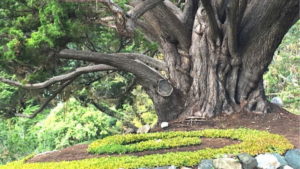
The Inverted Tree: Living from the Spine Through Movement, Meditation and Mantra
Engage the body’s sensorial continuum as a site of somatic inquiry and exploration. Work with breath, the senses, movement, sound, words (mantra), imagination, and feeling to curate somatic experience. Sensitize yourself to the subtle rhythms and energies of the cerebrospinal axis which influence our moods, states and quality of our attention and relationship with the […]